
Empowering girls requires nurturing self-esteem through experiences, education, and cultural shifts. Education, especially inclusive policies, improves literacy and STEM participation. Mentorship programs and diverse curricula promote gender equality. Tailored support, mentorship, and safe spaces unlock girls' potential to become leaders and agents of change in their communities.
Empowering girls is not just a social ideal; it’s a critical component of societal progress and development. In an increasingly interconnected world, the success and well-being of girls and young women are pivotal for communities to thrive. However, challenges persist, from gender stereotypes hindering their ambitions to lack of access to quality education and leadership opportunities. This article delves into practical strategies and initiatives that have proven effective in fostering girl empowerment, offering insights for parents, educators, policymakers, and advocates working towards a future where every girl is encouraged to reach her full potential.
- Nurture Self-Esteem: Building a Solid Foundation for Girls
- Empower Through Education: Unlocking Opportunities
- Foster Leadership Skills: Encouraging Girl's Voice and Action
Nurture Self-Esteem: Building a Solid Foundation for Girls

Empowering girls begins with nurturing their self-esteem—a cornerstone upon which their future achievements rest. Self-esteem is not something innate; it’s cultivated through experiences, interactions, and education. During Women’s History Month, and every month, recognizing and amplifying the unique strengths of girls is paramount. Research shows that high self-esteem correlates with better mental health, academic performance, and overall well-being in women. It equips them to navigate challenges, embrace opportunities, and assert their rights.
Education plays a pivotal role in building this foundation. Inclusive education policies for girls are essential to ensuring every young woman receives the support she needs to thrive. This includes comprehensive sex and reproductive health education that equips girls with knowledge to make informed decisions about their bodies and futures. For instance, countries that prioritize inclusive education have seen significant improvements in female literacy rates and participation in STEM fields. By fostering an environment where every girl feels valued and capable, we set the stage for future leaders and innovators.
Visit us at inclusive education policies for girls to explore more on how policies can be tailored to meet the unique needs of diverse student bodies, ultimately empowering a new generation of women. Cultural shifts are also crucial; challenging stereotypes and promoting positive female role models in media and everyday life contribute to building strong self-esteem in girls. Encouraging open conversations about emotions, setting realistic expectations, and celebrating achievements, big or small, all help in fostering a resilient sense of self in young girls.
Empower Through Education: Unlocking Opportunities
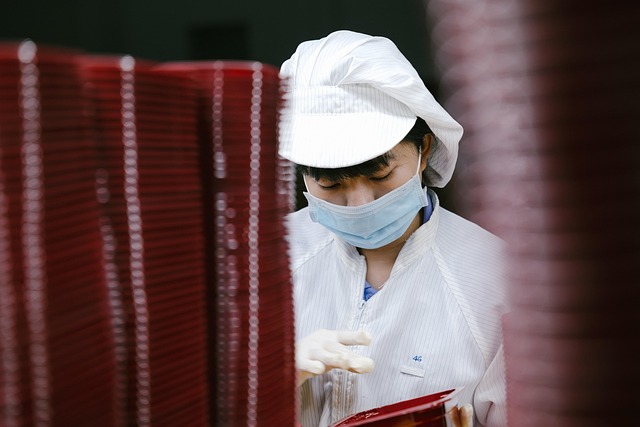
Empowering girls through education is a multifaceted approach that begins early in life and extends well into adolescence and adulthood. Education acts as a catalyst for personal growth, enabling young girls to develop critical thinking, problem-solving, and leadership skills—essential tools for navigating an increasingly complex world. One of the most powerful ways to foster empowerment is through mentorship programs tailored for female students. These initiatives pair girls with successful women in various fields, providing role models, career guidance, and invaluable insights into diverse professional paths. Mentorship can significantly promote gender equality in schools by challenging stereotypes and encouraging girls to pursue interests that traditionally exclude them, such as STEM subjects.
Promoting gender parity in education requires collective efforts from educators, policymakers, and communities. It involves advocating for girls’ rights to quality education, ensuring equal access to resources, and dismantling systemic barriers that hinder their progress. Inclusive education policies for girls must address socio-economic disparities, cultural norms, and physical safety within educational settings. For instance, providing transportation or scholarships can overcome financial obstacles, while creating safe spaces and zero-tolerance policies for harassment can foster an environment where girls feel secure to learn and express themselves freely.
In addition to formal education, extracurricular activities play a pivotal role in empowering girls. Participation in sports, arts, and community service not only enhances their social skills but also instills confidence and a sense of belonging. Girls who engage in these activities are more likely to become well-rounded individuals, equipped with the resilience needed to overcome challenges. As we strive for progress, it’s crucial to recognize that each girl is unique; thus, offering personalized support and opportunities tailored to their interests and aspirations is key to unlocking their full potential. By integrating mentorship programs, promoting gender equality in schools, and advocating for inclusive education policies, we can create a supportive ecosystem that empowers girls to become agents of change.
Foster Leadership Skills: Encouraging Girl's Voice and Action

Empowering girls starts with fostering their leadership skills and encouraging them to find their voice. The world of education plays a pivotal role in promoting gender equality for girls, where inclusive policies and environments can break down societal barriers. By implementing these strategies, we can ensure that girls worldwide are given equal opportunities to lead, excel, and contribute to society.
One of the most effective ways to begin is by integrating literacy programs tailored specifically for girls. Literacy not only equips them with essential communication skills but also expands their horizons, encouraging critical thinking and a deeper understanding of the world. Initiatives like “Empowering Voices: Girls Sharing Stories” have shown remarkable results in communities where access to education is limited. These platforms give girls a space to share their experiences, fostering a sense of agency and community.
Promoting gender equality in schools must be a comprehensive effort. It involves reviewing and revising curricula to include diverse female role models from history and literature, ensuring that girls see themselves reflected in the educational material. Moreover, teacher training programs should emphasize the importance of unbiased teaching methods, encouraging educators to create inclusive classrooms where every student feels valued and heard. For instance, introducing subjects like computer science and STEM (Science, Technology, Engineering, and Mathematics) from primary school onwards can help close the gender gap in these fields.
Inclusive education policies are vital to creating an environment where girls thrive. Governments and educational institutions should collaborate to implement policies that ensure equal access to quality education for all genders. This includes addressing structural barriers like gender-based violence in schools, providing safe spaces for learning, and offering scholarships or financial aid to support girl students. By fostering a culture of equality and empowerment within the educational system, we can prepare girls to become leaders in their communities and beyond.
Empowering girls begins with nurturing their self-esteem and creating an environment where they feel valued and capable. By focusing on education as a tool for opportunity unlocking, we can encourage girls to pursue their passions and develop essential skills. Additionally, fostering leadership skills from a young age allows girls to find their voice and take meaningful action. The key insights are clear: self-esteem, quality education, and leadership opportunities are the cornerstones of empowering girls naturally, enabling them to contribute positively and achieve their full potential in today’s world.