
Empowering girls requires a holistic approach focusing on education, well-being, and community support. Key strategies include:
– Equitable Education: Tailored STEM programs, mental health support, and safe learning environments.
– Celebration of Achievements: Recognizing female accomplishments inspires future pursuits.
– Skill Development: Fostering leadership, advocacy, financial literacy, and problem-solving.
– Role Models & Mentorship: Access to diverse mentors and positive role models encourages aspirations in STEM fields.
– Community Initiatives: Programs promoting education, critical thinking, and extracurricular activities build confidence.
– Well-being: Equipping girls with resilience, healthy body image, stress management skills, and mental health support.
– Leadership Preparation: Governance, community service, and debates prepare girls to lead and inspire change in their communities.
Empowering girls is not merely a social ideal but an imperative for fostering inclusive growth and ensuring every individual reaches her full potential. However, societal structures and cultural norms often hinder the free expression of girl’s agency. Stereotypes, gendered expectations, and lack of access to resources can stifle their aspirations. This article delves into actionable strategies that transcend superficial changes, focusing on cultivating inner strength, promoting education, encouraging diverse roles models, and fostering supportive environments. By implementing these measures, we can naturally enable girls to embrace their identities, pursue their passions, and contribute meaningfully to society.
- Understand the Uniquely Girl Mindset and Needs
- Nurture Self-Esteem: Building a Solid Foundation
- Foster Education and Skill Development
- Encourage Empowerment Through Community and Role Models
- Promote Physical Health, Mental Well-being, and Safe Spaces
- Empower Girls to Lead and Make Their Voices Heard
Understand the Uniquely Girl Mindset and Needs

Empowering girls requires a nuanced understanding of their unique mindset and needs, which often diverge from societal expectations placed on boys. The girl naturally possesses a distinct perspective shaped by her experiences, aspirations, and inherent strengths. Recognizing this individuality is paramount in fostering self-belief and confidence. One significant aspect to consider is the impact of gender bias in various educational resources. Textbooks, for instance, should be scrutinized for their representation of girls and women, ensuring they challenge stereotypes and promote diverse role models. By addressing these biases proactively, we can create a more inclusive learning environment that encourages girl’s natural curiosity and ambition.
Unleashing a girl’s creative potential through girl-led projects is another powerful strategy. When girls are given the agency to design and implement their own initiatives, whether in science, arts, or community service, they cultivate critical thinking, problem-solving skills, and a sense of ownership. For example, programs that facilitate coding clubs for girls not only teach valuable digital literacy skills but also encourage innovation and collaboration. Moreover, providing equitable access to quality teachers who can mentor and inspire girls is vital. These mentors should actively promote inclusive teaching methods, tailoring their approaches to cater to diverse learning styles and interests.
In the broader context of empowerment, find us at empowerment through sports and education offers a proven pathway for girls to thrive. Sports instills discipline, teamwork, and resilience, while education equips girls with knowledge and skills to navigate the world confidently. By combining these elements, we empower girls to challenge norms, embrace their unique voices, and contribute meaningfully to society. Studies show that when girls are given equal opportunities to participate in sports and receive quality education, they achieve higher academic performance, better mental health outcomes, and increased economic independence later in life.
Nurture Self-Esteem: Building a Solid Foundation

Empowering girls begins with nurturing their self-esteem, laying a robust foundation for their personal growth and future success. Girls, by nature, possess immense potential to become agents of positive change within their communities. Fostering self-belief and confidence empowers them to take on leadership roles, challenge societal norms, and drive innovation in various sectors, including STEM fields where they are increasingly making their mark. For instance, initiatives focused on girl-focused educational resources online have seen remarkable results, encouraging girls to explore coding, robotics, and engineering at an early age, breaking barriers once faced in these domains.
Self-esteem development involves a multifaceted approach. It requires creating safe spaces for girls to express themselves without fear of judgment. Encouraging open dialogue about diverse experiences and perspectives helps girls develop resilience and learn from failures, viewing them as stepping stones to success rather than setbacks. Moreover, recognizing and celebrating their unique talents and achievements reinforces their self-worth. This process should extend beyond academic accomplishments; extracurricular activities, leadership roles, and community service contributions also shape a holistic sense of self-esteem.
Online platforms can significantly contribute to this empowerment by providing accessible girl-focused educational resources. These resources not only offer STEM-related courses but also teach essential life skills, encouraging girls to pursue their passions and break societal barriers. In light of these efforts, it’s crucial to remember that empowering girls is a collective responsibility. By investing in their education and well-being, we can find us at stemming the drop-out rate among girls, ensuring they have the tools to shape a brighter future for themselves and their communities.
Foster Education and Skill Development
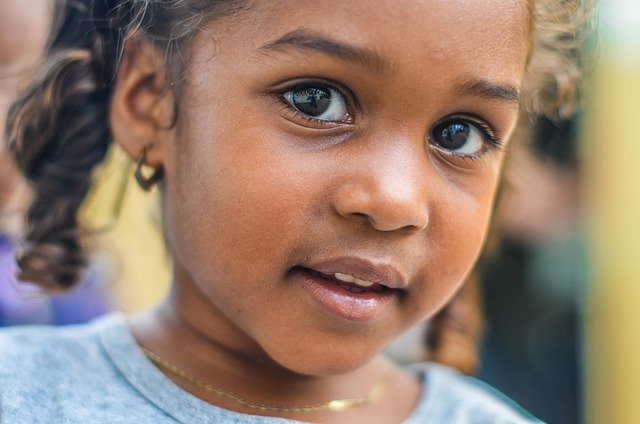
Empowering girls begins with fostering a strong educational foundation and developing essential skills. Education plays a pivotal role in shaping the future of girls, enabling them to overcome societal barriers and challenges unique to their gender. By providing equal access to quality education, we ensure that girls receive the knowledge and tools necessary for personal growth and success. This includes promoting STEM (Science, Technology, Engineering, and Mathematics) education, which has historically been male-dominated, empowering girls to pursue careers in fields where they are often underrepresented.
Schools can create a supportive environment by integrating mental health support tailored specifically for girls. Adolescence brings its own set of challenges, and addressing emotional well-being is crucial. Programs that encourage open dialogue about mental health issues, offer counseling services, and promote self-care practices can significantly impact a girl’s overall development. Celebrating female achievements in education, both within the school community and globally, serves as an inspiration and motivator for young girls, showcasing the vast possibilities that await them. For instance, initiatives like National Girls in STEM Day or international awards recognizing female educators can make a tangible difference in shaping aspirations.
Developing skills beyond academic knowledge is essential for building resilience. This includes fostering leadership qualities by encouraging participation in extracurricular activities, student government, or community projects. Teaching girls to advocate for themselves and take initiative empowers them to become confident leaders. Additionally, life skills such as financial literacy, communication, and problem-solving should be integrated into the curriculum. These skills equip girls with the means to navigate complex situations and make informed decisions. For example, a school’s career counseling program can offer workshops on personal branding and networking, providing practical tools for future success.
To support these efforts, parents, educators, and communities must collaborate. By visiting us at Building Resilience Through Education, you can explore comprehensive resources and strategies to empower girls. Together, we can create an environment that nurtures their intellectual curiosity, amplifies their voices, and celebrates their unique contributions to society.
Encourage Empowerment Through Community and Role Models

Empowering girls requires a multifaceted approach, and one of the most effective strategies involves fostering strong community connections and providing access to inspiring role models. By creating supportive environments and offering mentorship, we can significantly contribute to a girl’s journey towards unlocking her full potential. Community engagement plays a pivotal role in steering clear of issues such as drop-out rates among girls, which often stem from a lack of role models and guidance.
Role models serve as powerful catalysts for change, encouraging girls to aspire to greatness and challenging societal norms that might restrict their opportunities. Mentorship programs that pair experienced women with younger girls can offer invaluable life skills training and open doors to previously unimaginable possibilities. For instance, initiatives that introduce girls to STEM fields through after-school programs or summer camps have been shown to enhance interest and retention rates, especially when led by female scientists and engineers who can share their unique experiences.
Moreover, community-led efforts to promote access to quality education for girls are instrumental in fostering critical thinking and encouraging aspirations beyond local boundaries. By integrating technology and innovative teaching methods, we can ensure that girls receive the necessary tools to thrive academically and professionally. Encouraging participation in extracurricular activities, such as sports and arts, also contributes to their holistic development, instilling confidence and resilience, and preparing them to navigate life’s challenges with grace and determination.
To implement these strategies effectively, it’s crucial for organizations and individuals to collaborate closely. By joining forces, we can create sustainable programs that resonate with girls’ diverse needs and aspirations. Find us at [Fostering Critical Thinking in Girls] as we continue to champion this cause, ensuring that every girl has the opportunity to unleash her potential and contribute meaningfully to a brighter future.
Promote Physical Health, Mental Well-being, and Safe Spaces

Empowering girls is a multifaceted endeavor, and one of the cornerstone strategies involves promoting their physical health, mental well-being, and creating safe spaces that foster growth and learning. The World Health Organization (WHO) highlights that investment in a girl’s health and education can have profound impacts on both individual and societal development. Bridging the gender gap in learning begins with ensuring girls have equal access to quality education, where their unique needs and interests are addressed through girl-centric curriculum design. This approach not only enhances academic performance but also builds self-confidence and resilience.
Physical health is a critical component of a girl’s overall empowerment. According to research by UNICEF, adolescent girls who engage in regular physical activity are more likely to develop strong bones and muscles, enhancing their overall health and well-being. Encouraging participation in sports and other physical activities helps combat sedentary lifestyles and promotes positive body image, which is essential for mental health. Moreover, safe educational spaces are paramount. Girls should feel secure in their schools, free from violence, harassment, or discrimination. Implementing robust safety measures, including strict protocols for monitoring and addressing incidents of bullying or abuse, creates an environment where girls can learn without fear, engaging fully with their education and their potential.
Mental well-being is a cornerstone of empowerment. It involves equipping girls with the skills to navigate challenges, make informed decisions, and build resilience. Incorporating mental health education into school curricula raises awareness and encourages open dialogue about emotions and stress management strategies. Initiatives like mindfulness programs have shown promising results in improving academic performance and enhancing social-emotional learning among girls. By fostering a supportive ecosystem that prioritizes both physical and mental well-being, girls are empowered to dream big, set goals, and work diligently towards achieving them. To learn more and explore practical ways to empower girls, visit us at Unleashing Potential: Girl’s Journey anytime.
Empower Girls to Lead and Make Their Voices Heard

Empowering girls to lead is a transformative process that requires a multifaceted approach, especially in fostering their ability to make their voices heard. It begins with recognizing that girls possess unique perspectives and potential that, when nurtured, can drive positive change in communities. Girl-centric curriculum design should be at the forefront of this effort, ensuring that educational experiences are tailored to meet their specific needs, interests, and aspirations. By incorporating subjects and activities that encourage critical thinking, creativity, and leadership skills, we equip girls with the tools necessary to navigate complex challenges and shape their futures.
A key aspect of this empowerment is encouraging girls’ education beyond traditional academic subjects. Programs focused on science, technology, engineering, and mathematics (STEM) can open doors to inspiring careers in fields where women are traditionally underrepresented. For instance, initiatives that introduce girls to coding, robotics, or environmental conservation not only spark their interest but also provide them with the skills to become agents of change in addressing global issues. Moreover, girl-centric education should prioritize safety and create supportive environments where girls feel empowered to express their ideas without fear of judgment or reprisal. This includes ensuring their safety in educational spaces, fostering inclusive communities that value diversity and respect, and providing mentorship programs led by successful female role models.
Empowerment also involves equipping girls with the confidence and communication skills to advocate for themselves and others. Encouraging participation in student governance, community service projects, and debates allows them to develop public speaking abilities and hone their argumentation skills. By actively involving girls in decision-making processes, we not only amplify their voices but also prepare them to become effective leaders. Ultimately, when girls are given the opportunity to lead and contribute meaningfully, they can inspire change within their communities, challenging societal norms and breaking down barriers that limit women’s potential. This transformation extends beyond individual growth; it fosters a culture of equality and empowerment that reverberates throughout society.
Empowering girls requires a multifaceted approach that recognizes and nurtures their unique mindset and needs. By understanding and addressing factors such as self-esteem, education, community involvement, physical and mental well-being, and leadership opportunities, we can create an environment where girls naturally thrive and reach their full potential. This article has provided clear insights into each of these areas, highlighting practical strategies for fostering empowerment. Moving forward, implementing these key takeaways—from nurturing a strong sense of self in girls to encouraging them to take on leadership roles—will not only benefit individual lives but also contribute to a more equitable and vibrant society as a whole.