
Identifying and nurturing a girl's natural leadership potential is vital for her development as a future leader. Strategies include female mentorship programs tailored for 13-17-year-olds, community service projects, and curricula emphasizing early childhood education, digital literacy, art, and music. Supportive environments are crucial, with safety, inclusive atmospheres, anti-bullying policies, and celebration of female achievements. Mentorship builds resilience, self-esteem, and leadership skills, especially in sexual and reproductive health education. Effective programs measure impact through quantitative and qualitative indicators, including post-program roles and attitudinal changes. Girl-centered, diverse learning experiences with successful female role models achieve profound impacts. Continuous evaluation informs program design and maximizes benefits globally.
The development of leadership skills among girls is a vital aspect of fostering an inclusive and diverse future. However, societal norms and biases often hinder their access to leadership roles. This article delves into the critical need for robust Girl Leadership Development Programs (GLDPs) to equip young girls with the tools and confidence necessary to thrive in leadership positions. We explore how these programs, tailored to the unique needs of girls, can break down barriers, promote gender equality, and create a generation of empowered female leaders who naturally step into positions of influence.
- Identifying Girl's Natural Leadership Potential
- Crafting Curricula for Comprehensive Development
- Building Supportive Environments: Key Strategies
- Mentorship Matters: Connecting Girls with Role Models
- Measuring Impact: Evaluating Program Success
Identifying Girl's Natural Leadership Potential

Identifying a girl’s natural leadership potential is a crucial step in fostering her development as future leaders. Many programs focus on cultivating skills, but recognizing innate qualities is equally vital. Girls possess diverse strengths and interests that can serve as the foundation for their leadership journeys. By understanding these natural inclinations, we can design interventions that not only empower girls but also stem the drop-out rate among them, ensuring access to quality education.
One effective approach involves implementing female mentorship programs tailored to students aged 13 to 17. Mentors who have successfully navigated similar paths can inspire and guide young girls, exposing them to diverse leadership styles and real-world examples. These programs create supportive environments where girls feel safe to explore their identities, challenge themselves, and discover their unique strengths. For instance, a study by the National Girls Institute found that mentorship significantly improved academic performance and increased self-efficacy among mentor-mentee pairs.
Additionally, providing girls with opportunities to engage in community service projects can unlock their natural leadership potential. Leading initiatives focused on social causes allows them to develop strategic thinking, problem-solving skills, and empathy. This hands-on experience enables girls to see themselves as agents of change, fostering a sense of purpose and agency. As we navigate the landscape of female education and empowerment, it’s essential to recognize that every girl possesses leadership qualities waiting to be nurtured. By combining mentorship programs with meaningful service opportunities, we can help girls discover their paths and contribute to finding solutions for issues like stemming the drop-out rate among girls, ensuring they are equipped to lead in their communities and beyond. For more insights and tailored strategies, explore our resources at [stemming the drop-out rate among girls].
Crafting Curricula for Comprehensive Development

Crafting well-rounded curricula for girls’ leadership development programs is a nuanced task that requires an understanding of the unique needs and potential of young girls. In early childhood education for girls, focusing on fostering confidence, critical thinking, and creativity lays the foundation for future success. According to research, empowering girls through art and music can significantly enhance their sense of agency and self-expression, skills crucial for effective leadership. Digital literacy and girls’ future are also integral components; introducing technology early not only equips them with essential 21st-century skills but also opens doors to global opportunities, enabling them to navigate and shape their world.
A comprehensive curriculum should seamlessly integrate these elements, encouraging girls to explore their interests, develop problem-solving strategies, and cultivate a growth mindset. For instance, a day in a girl’s leadership program could involve a digital media workshop, where they learn basic coding skills while creating projects that address social issues; an art session focused on storytelling through visual arts; and group discussions centered around current events, fostering both empathy and strategic thinking. By combining these diverse approaches, girls are not only challenged intellectually but also encouraged to discover their unique voices.
Expert perspectives underscore the importance of a holistic approach. “Find us at Empowering Voices: Girls Sharing Stories,” a platform that highlights young women’s narratives, underscores the power of storytelling in shaping identities and futures. As girls engage in leadership development, sharing their stories becomes a tool for self-discovery, reflection, and inspiration. This personal aspect is vital; it encourages girls to see themselves as agents of change, capable of shaping narratives not only for themselves but also for future generations. Ultimately, crafting effective curricula involves recognizing the natural potential in every girl and designing experiences that nurture and amplify it.
Building Supportive Environments: Key Strategies

Creating supportive environments is a cornerstone of successful girls’ leadership development programs. This involves fostering spaces where young females feel empowered to express their ideas, take risks, and embrace failure as a stepping stone to growth. Ensuring girl’s safety in educational spaces is paramount; this includes both physical security and cultivating an inclusive atmosphere that welcomes diverse perspectives. For instance, implementing clear anti-bullying policies and promoting peer support networks can significantly enhance girls’ confidence and willingness to participate actively. Celebrating female achievements in education serves as a powerful motivator, inspiring other girls to set ambitious goals and strive for excellence.
One effective strategy is to “unleash creativity” by encouraging girl-led projects. These initiatives allow participants to apply their unique talents and perspectives, fostering a sense of ownership and agency. For example, a program that enables girls to design and implement community service projects not only enhances their leadership skills but also instills a sense of social responsibility. By providing resources and mentorship while allowing for creative freedom, these projects can have profound impacts on both the girls’ personal development and their communities. Addressing gender bias in textbooks is another critical aspect; reviewing and updating educational materials to reflect diverse roles and achievements of women throughout history can significantly contribute to creating a more balanced learning environment.
Practical steps include conducting regular workshops on media literacy to challenge stereotypical portrayals, engaging experts from various fields to share their experiences, and encouraging girls to lead discussions on topics relevant to their interests. Measuring the success of these initiatives involves tracking participation rates, retention, and post-program feedback. Success stories shared within the program and through social media can also serve as powerful testimonials, attracting more girls and reinforcing the positive impact of supportive leadership environments. Ultimately, by creating safe, creative, and inclusive spaces, girls’ leadership development programs can unlock their full potential, shaping a future where female leaders thrive.
Mentorship Matters: Connecting Girls with Role Models

Mentorship plays a pivotal role in fostering leadership skills and empowering girls to reach their full potential. A strong mentorship program within girl-focused educational resources online can create a supportive environment, encouraging young females to explore their interests, develop confidence, and gain valuable insights from experienced role models. This connection is crucial as it provides a unique opportunity for girls to learn from those who have navigated similar paths, offering guidance tailored to their specific challenges and aspirations.
The impact of mentorship on a girl’s development is profound, especially when addressing issues related to her sexual and reproductive health education. Mentors can provide age-appropriate information, dispel myths, and offer emotional support, enabling girls to make informed decisions about their bodies and futures. Moreover, mentorship helps build resilience through education by teaching girls to overcome obstacles and embrace challenges as stepping stones towards success. For instance, a study by the Girl Scouts of the USA found that girls involved in mentoring programs demonstrated higher self-esteem, better decision-making skills, and increased likelihood of pursuing leadership roles later in life.
Incorporating mentorship into leadership development involves thoughtful pairing based on shared interests, values, and goals. Mentors should be well-versed in their fields and committed to supporting the growth of young minds. Online platforms offer a vast network of potential mentors, making it easier than ever to connect girls with diverse role models from various sectors. For example, many organizations now provide virtual mentorship programs, enabling matches to interact regularly through video calls or messaging apps. This accessibility ensures that girls across different geographical locations can benefit from expert guidance tailored to their unique needs.
To harness the full potential of mentoring, parents, educators, and community leaders should actively encourage girls to participate in such programs. By fostering these connections, we empower girls to break barriers, embrace their leadership potential, and contribute significantly to their communities. For a more immersive experience, visit us at [Girls’ Leadership Training Programs] to explore comprehensive resources that support the development of tomorrow’s leaders today.
Measuring Impact: Evaluating Program Success
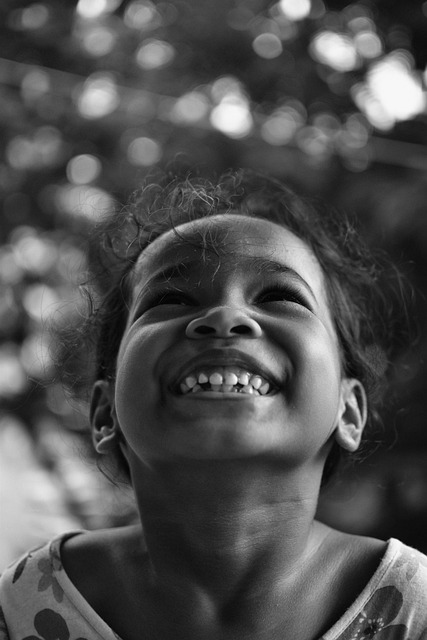
Measuring impact is a critical aspect of leadership development programs aimed at empowering girls, ensuring their effectiveness, and justifying continued investment. Beyond quantifiable outcomes like attendance rates or skill assessments, truly evaluating success involves delving into qualitative measures that reflect long-term behavioral shifts and societal changes. For instance, tracking how many girls take on leadership roles in their communities post-program, or assessing the extent to which they challenge gender norms and advocate for their peers’ rights can provide powerful insights. Global initiatives like financing girls’ education have recognized this need for holistic evaluation, emphasizing the interconnectedness of empowerment, access to quality training, and advocating for girls’ rights as key drivers of sustainable development.
Girl-centered programs that involve active participation, diverse learning experiences, and mentorship from successful female role models tend to yield more profound impacts. For example, studies have shown that when girls are given opportunities to lead projects within their communities, they develop a stronger sense of agency and confidence in their abilities. This not only enhances their leadership skills but also fosters a culture where girls actively seek out and support each other’s education and personal growth. The success of such initiatives can be further amplified through strategic partnerships with organizations championing girls’ rights in education, ensuring that programs are aligned with global best practices and locally relevant contexts.
Evaluating the impact of girls’ leadership training programs requires a multi-faceted approach. Collectivizing feedback from participants, community leaders, and program implementers provides a comprehensive view of successes and areas for improvement. Leveraging data on educational attainment, employment rates, and participation in local governance can offer tangible evidence of program effectiveness. Moreover, measuring changes in attitudes and beliefs regarding gender roles through surveys or focus groups reveals deeper shifts in societal norms, demonstrating the potential for lasting impact. Celebrating female achievements in education is not merely an end goal but a continuous process that involves acknowledging milestones, sharing success stories, and learning from both triumphs and challenges to continually enhance program design and maximize benefits for girls worldwide.
To ensure sustainable progress, it’s crucial to integrate evaluation into every stage of program development and implementation. This includes pre-program assessments to establish baselines, ongoing monitoring to track participants’ journeys, and post-program evaluations to measure growth. By adopting a comprehensive approach that considers both quantifiable and qualitative data, we can better understand the unique contributions girls bring to their communities and societies at large, ultimately fostering an environment where leadership opportunities are accessible and embraced by all.
By identifying and nurturing the girl’s natural leadership potential, crafting tailored curricula, creating supportive environments, mentoring with positive role models, and rigorously evaluating program outcomes, we can effectively foster strong female leaders. These strategies, as outlined in this authoritative article, offer a comprehensive roadmap for developing girls’ leadership capabilities. Key takeaways include recognizing the inherent capacity for leadership in young girls, designing holistic educational experiences, and providing mentorship opportunities that inspire and guide them. The success of these programs lies in their ability to empower girls, prepare them for future challenges, and create a more inclusive and diverse leadership landscape. Practical next steps involve implementing these strategies within schools, communities, and organizations dedicated to girl’s development, ensuring a brighter future with increased female representation in positions of influence.