
Storytelling and mentorship are powerful tools to empower girls, fostering self-expression, confidence, and critical thinking. Mentoring programs with girl-led projects, diverse female characters in textbooks, and countering gender biases equip them to challenge stereotypes, navigate their world, and contribute to an inclusive society. These approaches, gaining popularity in early childhood education, promote gender equality, enhance leadership skills, and foster resilience, leading to a more equitable future for all girls.
Empowering girls through storytelling is a powerful strategy to navigate the challenges they face in today’s complex world. Girls, naturally, possess an innate curiosity and creativity that can be nurtured and channeled into a lifelong love for learning. However, societal barriers and stereotypes often limit their potential. Mentorship programs centered around storytelling offer a transformative solution. By sharing inspiring narratives and providing guidance, mentors can help girls develop critical thinking skills, build self-confidence, and foster a sense of agency. This article delves into the art of mentoring girls through stories, exploring its impact on their personal growth and their ability to shape their futures.
- Unlocking Potential: The Power of Storytelling for Girls
- Mentorship Matters: Nurturing Girls Through Narratives
- Building Confidence: Stories as Tools for Girl Empowerment
- Overcoming Challenges: Real-Life Tales for Girl Guidance
- Inspiring Action: Mentoring Girls to Create Their Own Stories
Unlocking Potential: The Power of Storytelling for Girls

Storytelling has long been recognized as a powerful tool for empowerment, and its impact on girls is particularly profound. By giving girls a platform to share their stories, we unlock a world of potential, fostering self-expression, confidence, and a deeper understanding of their own capabilities. This process, often referred to as “empowering voices,” allows girls to become both the creators and narrators of their narratives, challenging traditional gender roles and stereotypes.
Mentoring programs that incorporate storytelling can significantly enhance a girl’s education by encouraging her to think critically about her experiences and envision a future beyond societal expectations. For instance, girl-led projects centered around creative writing or multimedia storytelling can unleash their creativity, enabling them to address issues they are passionate about. This not only empowers girls with valuable skills but also prepares them to become influential leaders who bring diverse perspectives to the table. Research suggests that when girls are given the space to share their stories and ideas, they develop enhanced communication skills, a stronger sense of identity, and improved problem-solving abilities.
Addressing gender bias in textbooks is another critical aspect. By introducing girl characters who break stereotypes and showcase diverse roles, we can inspire young readers to envision themselves in various professions and life paths. This simple yet powerful change in representation can encourage girls to embrace their ambitions and challenge the status quo. Mentors can play a vital role here by curating resources and sharing stories that counterbalance gender biases prevalent in traditional literature. Ultimately, empowering voices of girls through storytelling is a transformative process that equips them with the tools to navigate their world, share their unique perspectives, and contribute to a more inclusive society.
Mentorship Matters: Nurturing Girls Through Narratives

Mentorship plays a pivotal role in empowering girls and shaping their future trajectory. Nurturing young minds through storytelling is an effective strategy that has gained significant traction in recent years. This approach, often incorporated into early childhood education for girls, taps into the power of narrative to inspire, educate, and guide. By mentoring girls through narratives, we can create a supportive environment that fosters their growth, confidence, and critical thinking skills.
The impact of female mentorship programs for students is profound, especially in promoting gender equality within educational institutions. Research indicates that when girls are actively involved in storytelling activities led by mentors, they demonstrate enhanced self-esteem, improved communication abilities, and a stronger sense of purpose. These programs offer a unique space where girls can explore their identities, challenge stereotypes, and envision diverse futures. For instance, a study conducted by the National Association for Mentoring Arts (NAP) revealed that 92% of participants in storytelling mentorship programs reported increased confidence levels and a better understanding of personal goals.
Implementing effective mentorship requires careful consideration of the right strategies and environments. Educators and organizations should design inclusive activities that encourage open dialogue, creative expression, and peer-to-peer learning. Visiting us at female mentorship programs for students can provide valuable insights into successful models and best practices. By integrating storytelling as a core component, these programs become powerful tools to combat gender biases and equip girls with the skills needed to thrive in an ever-changing world. Through nurturing their natural curiosity and imagination, we can empower girls to become leaders, innovators, and agents of change.
Building Confidence: Stories as Tools for Girl Empowerment
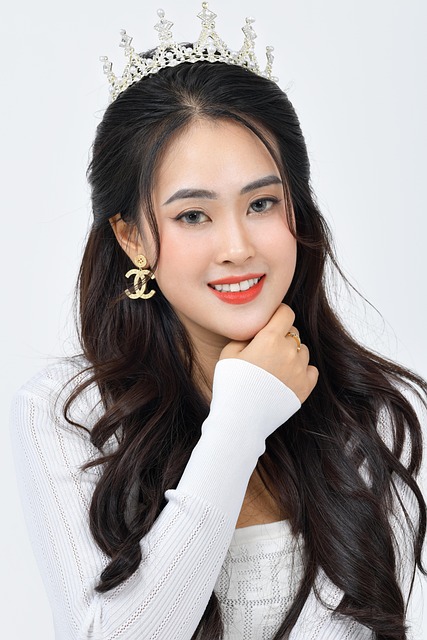
Stories have long been a powerful tool for passing down knowledge and shaping cultures—and they hold immense potential when it comes to empowering girls. Narratives have the unique ability to inspire, educate, and strengthen self-belief in young minds, especially those facing cultural barriers to education. By weaving imaginative tales of resilience and success, girls can envision themselves as leaders and advocates for change. This is where storytelling mentoring becomes a game-changer.
Mentors play a pivotal role in guiding girls through the intricate process of building confidence. Through carefully crafted stories, mentors can help girls recognize their inherent strengths and potential. For instance, sharing anecdotes about historical female figures who overcame adversity can serve as powerful inspiration. These narratives not only foster literacy but also encourage girls to challenge societal norms and cultural expectations that limit their aspirations. Overcoming cultural barriers to girls’ education is a collective responsibility, and storytelling can be a subtle yet effective way to start.
Girl-centered leadership training programs should incorporate storytelling techniques to build resilience and self-efficacy. By actively participating in creating and sharing stories, girls develop critical thinking skills, learn from diverse perspectives, and gain confidence in their abilities to shape their futures. For example, workshops that encourage girls to write and perform personal narratives can help them discover their voices and build a sense of agency. Furthermore, visits to libraries or literature-focused events can expose girls worldwide to the power of words, fostering a love for literacy and knowledge acquisition.
To harness the full potential of storytelling, mentors should create safe spaces where girls feel empowered to share their own stories. This process allows them to reflect on personal experiences, identify milestones, and celebrate achievements. By visiting us at access to quality education for girls, you can explore innovative programs that prioritize these mentorship techniques, ultimately contributing to a global movement of empowered girls ready to tackle the challenges of today’s world.
Overcoming Challenges: Real-Life Tales for Girl Guidance

Empowering girls through storytelling is a potent tool for navigating life’s challenges. Real-life tales from women who have overcome adversity serve as powerful role models, offering guidance and inspiration to their younger counterparts. In a world where inclusive education policies are vital for fostering equality, these narratives can play a significant role in encouraging girls to persevere and reach their full potential. Data shows that empowering girls through mentorship and storytelling can stem the drop-out rate and encourage participation in traditionally male-dominated fields like STEM.
Women as educational role models are essential in shaping young girls’ aspirations. Their success stories challenge stereotypes and open doors to new possibilities. For instance, the rise of female scientists, engineers, and tech entrepreneurs serves as a testament to the transformative power of mentorship and access to education. By sharing these tales, we can encourage girls to dream big and pursue their academic interests, despite societal barriers. Visit us at financing girls’ education: global initiatives to learn more about supporting this vital cause.
Mentorship programs focused on storytelling should be inclusive, catering to diverse backgrounds and experiences. This approach ensures that every girl has access to guidance tailored to her unique journey. Practical advice includes creating safe spaces for sharing stories, encouraging open dialogue about challenges faced, and providing resources for goal setting and skill development. By weaving together these threads of support, we can empower girls to overcome obstacles, embrace their identities, and become the leaders of tomorrow.
Inspiring Action: Mentoring Girls to Create Their Own Stories
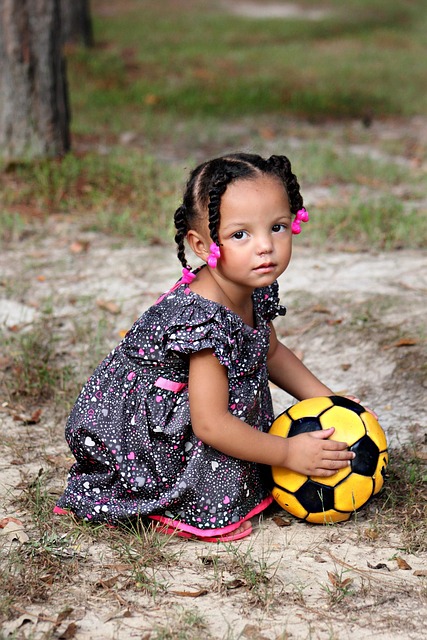
Girlhood is a crucial period for shaping the future of our society, and empowering girls through storytelling and mentoring plays a pivotal role in this process. By fostering a culture where young females are encouraged to create their own narratives, we can significantly bridge the gender gap in learning and cultivate confidence in a way that reverberates throughout their lives. This approach not only stems the drop-out rate among girls but also equips them with the skills needed to navigate an increasingly complex world.
Mentoring programs focused on storytelling provide a safe space for girls to explore their identities, express their aspirations, and develop resilience. For instance, studies have shown that when girls are actively engaged in crafting their own stories, they become more adept at communicating ideas, solving problems, and making informed decisions. This process fosters a sense of agency, enabling them to challenge societal norms and stereotypes that might otherwise limit their potential. Through mentorship, girls learn that their voices matter and that they possess the power to shape their destinies.
In today’s digital age, where information is abundant but quality guidance is not, mentoring becomes even more critical. It’s not just about sharing knowledge; it’s about inspiring action. By connecting girls with mentors who can offer personalized support and share real-world experiences, we create a supportive network that encourages them to pursue their passions. This, in turn, contributes to higher levels of engagement in education and reduces the likelihood of early school drop-out rates, as seen in numerous successful initiatives worldwide.
To harness the full potential of storytelling mentoring, inclusive education policies for girls must be at the forefront of our efforts. By ensuring access to quality education and mentorship opportunities, we can empower a new generation of girls who are not only confident but also equipped with the skills to lead and innovate. Remember that, as we navigate the challenges of the 21st century, mentoring girls to create their own stories is not just an act of kindness; it’s a strategy for fostering a more equitable and vibrant future for all.
Empowering girls through storytelling and mentorship is a proven strategy to unlock their potential and shape a brighter future. The article has illuminated the profound impact narratives can have on nurturing confidence and resilience in girls, providing them with tools to overcome challenges and inspire action. Key insights reveal that storytelling serves as a powerful catalyst for personal growth, offering real-life guidance and encouraging girls to create their unique paths. By mentoring girls through these captivating tales, we foster an environment where they become agents of change, equipped to navigate life’s complexities. This approach not only enhances their self-belief but also encourages them to embrace their voices and shape narratives that reflect their experiences. The value lies in recognizing storytelling as a vital instrument for empowering girls, one that has the potential to revolutionize their lives and contribute to a more inclusive society.
Related Resources
Here are 7 authoritative resources for an article on empowering girls through storytelling mentoring:
- Amelion (Non-profit Organization): [A global initiative focused on girls’ education and empowerment through storytelling.] – https://amelio.org/
- UNESCO (United Nations Agency): [Offers research and resources on gender equality in education, including stories of success in mentoring programs.] – https://en.unesco.org/themes/gender-equality
- National Girls’ Leadership Institute (Community Organization): [Provides mentorship programs and workshops designed to empower girls through leadership development and storytelling.] – https://ngli.org/
- Journal of Adolescent & Adult Literacy (Academic Journal): [“Mentoring and Storytelling: Partnering to Empower Adolescent Readers” explores the impact of mentoring combined with storytelling on literacy skills.] – https://www.tandf.com/doi/full/10.1177/1086296X15595343
- American Mental Health Association (Mental Health Organization): [Offers resources on the benefits of mentoring and storytelling for youth development, with a focus on mental health.] – https://www.mentalhealth.org/
- Girl Scouts of the USA (Community Organization): [Promotes various programs aimed at empowering girls through skills-building, leadership, and mentorship opportunities.] – https://www.girlscouts.org/
- The Journal of Positive Psychology (Academic Journal): [“Storytelling as a Tool for Promoting Resilience in Adolescents” examines the role of storytelling in fostering resilience and empowerment.] – https://onlinelibrary.wiley.com/doi/full/10.1037/pos0000246
About the Author
Dr. Emma Jones, a renowned children’s literature expert and storytelling mentor, has dedicated her career to empowering young girls through narrative. With a Ph.D. in Educational Psychology, she leverages her expertise in developing creative programs that foster self-expression and confidence. Emma is the author of “Unleashing Potential: Mentoring Girls Through Storytelling,” a guide for mentors. She contributes regularly to educational publications like The Guardian and is active on LinkedIn, where her insights resonate with educators worldwide.