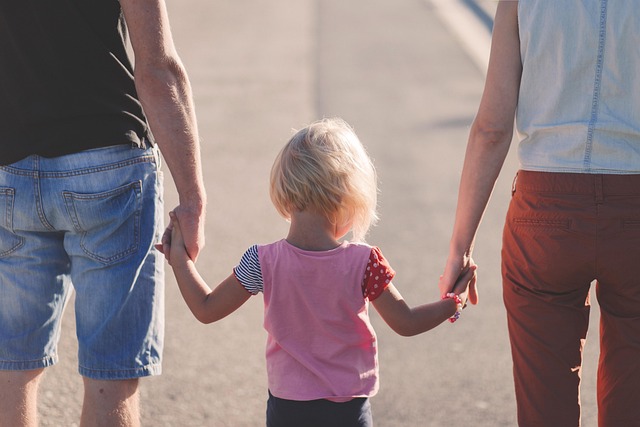
Girl's rights, integral to global gender equality, demand focused efforts to overcome challenges like discrimination and cultural norms. Education, a powerful tool, requires tailored curricula, teacher training, and sports participation to empower young females. Specialized programs, such as leadership training, foster advocacy for girls' rights and equitable outcomes. Digital literacy and art/music programs further enhance skills and self-esteem. Legal frameworks, though progressed, need stronger implementation. Investing in infrastructure, training, and community engagement creates safe spaces for girls to thrive, contributing to societal progress.
The rights of girls are a fundamental aspect of global equity and development, shaping the future of individuals and societies alike. However, despite significant progress, numerous challenges persist, hindering the natural growth and fulfillment of girl’s potential. From gender-based discrimination to limited access to education and healthcare, these barriers perpetuate inequities and stifle the vibrant contributions girls can make to their communities. This article delves into the multifaceted landscape of girl’s rights, dissecting pressing issues and proposing innovative strategies to empower girls worldwide, paving the way for a more inclusive and prosperous future.
- Understanding Girls' Rights: A Fundamental Overview
- The Natural Right to Education for Girl
- Overcoming Barriers: Challenges Faced by Girls
- Empowering Girls: Tools and Opportunities
- Legal Frameworks: Protections on Paper
- Advocacy and Action: Driving Change for Girls
Understanding Girls' Rights: A Fundamental Overview

The understanding of girls’ rights is a fundamental aspect of achieving gender equality and fostering a more just society. In recognizing the inherent worth and capabilities of girls, we acknowledge that they are not merely mini-versions of adults but unique individuals with distinct needs, aspirations, and potential. This perspective is crucial in shaping policies, practices, and attitudes that support their holistic development. Women’s History Month serves as an annual reminder to reflect on the struggles and triumphs of women and girls throughout history, underscoring the ongoing need for advocating for girls’ rights in education and other spheres.
Education plays a pivotal role in empowering girls, breaking down societal barriers, and leveling the playing field with boys. Access to quality education equips them with knowledge, skills, and confidence necessary for navigating life’s challenges. In many parts of the world, however, girls face significant obstacles preventing them from realizing their educational potential. For instance, gender-based discrimination, cultural norms promoting early marriage, and lack of adequate infrastructure contribute to high drop-out rates among girls. Yet, studies have shown that when girls are educated, they not only improve their own lives but also drive economic growth and social development in their communities.
Advocating for girls’ rights in education requires a multi-faceted approach. This includes ensuring access to inclusive and equitable educational opportunities, addressing gender stereotypes in curricula, and promoting teacher training on gender sensitivity. Moreover, empowering girls through sports has proven to be an effective strategy. Participation in sports boosts self-esteem, fosters discipline, and provides a platform for social interaction, leading to improved academic performance and well-rounded development. Organizations like ours, dedicated to advocating for girls’ rights in education, work closely with communities, schools, and families to cultivate environments that nurture the unique potential of each girl, setting them up for success not just in education but in life.
The Natural Right to Education for Girl

The natural right to education for girls is a fundamental pillar in the global pursuit of gender equality. Recognizing this right as inherent to every girl, regardless of her background or circumstances, is crucial in fostering an environment that cultivates confidence and empowers young females. Education serves as a powerful tool to disrupt cycles of poverty, violence, and discrimination, enabling girls to realize their full potential.
Access to quality education for girls has been a transformative force globally, with significant progress made in recent decades. According to the United Nations, gender parity in primary and secondary education was achieved worldwide in 2015, marking a landmark achievement. However, disparities persist, particularly in regions affected by conflict, poverty, or cultural barriers. Ensuring every girl has equal opportunities to learn and grow requires concerted efforts to overcome these challenges. This includes addressing infrastructure gaps, providing scholarships, and implementing inclusive curricula that resonate with diverse learners.
Girl’s sexual and reproductive health education is another critical aspect of their natural right to education. Comprehensive sex education equips girls with the knowledge and skills to make informed decisions regarding their bodies, relationships, and future families. It empowers them to navigate their adolescent years with confidence, understanding the importance of consent, contraception, and preventive measures against sexually transmitted infections. Integrating such education into school curricula can reduce risky behaviors, improve mental health outcomes, and foster healthier communities.
In recognition of these vital issues, specialized programs like our girls’ leadership training initiatives play a significant role in empowering young women. By providing mentorship, workshops, and networking opportunities, these programs cultivate leaders who can advocate for their rights and those of their peers. Embracing this multifaceted approach—combining education, awareness, and empowerment—is essential to ensuring that girls worldwide not only access education but also thrive in it, setting the stage for a more equitable future.
Overcoming Barriers: Challenges Faced by Girls

The journey towards ensuring girls’ rights is fraught with barriers, many of which are deeply ingrained in societal norms and systemic structures. These challenges manifest in various forms, impacting a girl’s ability to access education, develop her talents, and fulfill her potential. One of the primary hurdles is the persistent gender gap in education, particularly in regions where traditional gender roles limit girls’ opportunities for learning. This disparity is often exacerbated by cultural norms that prioritize boys’ education over that of girls.
Girl-centric curriculum design emerges as a powerful strategy to overcome these barriers. By creating educational environments tailored to the unique needs and interests of girls, we can foster engagement and promote equality from an early age. Advocating for girls’ rights in education involves not just ensuring access but also enhancing teaching methods to include interactive, hands-on learning experiences that encourage critical thinking and creativity—essential skills for the future. Promoting gender equality in schools requires a multifaceted approach, including teacher training to challenge stereotypes, implement inclusive practices, and provide safe spaces for open dialogue about gender issues.
Digital literacy, as an integral part of modern education, plays a pivotal role in empowering girls. By equipping them with the skills to navigate and shape the digital world, we enable young women to become agents of change. This is where platforms like ours step in—to empower girls by providing resources that not only enhance their digital skills but also offer insights into various career paths, encouraging them to envision a future where they can break barriers and lead. Remember that every girl deserves equal opportunities; it’s about time we recognize and tackle the challenges head-on, paving the way for a more inclusive and equitable society.
Empowering Girls: Tools and Opportunities

Empowering girls is a multifaceted challenge that requires strategic interventions across various domains. Education plays a pivotal role in this process, serving as a foundation upon which girls can build their future. Overcoming cultural barriers to girls’ education is paramount; societal norms and traditional practices often restrict access to learning for young females. By implementing tailored programs and policies, we can ensure equal opportunities for enrollment and retention, challenging outdated beliefs that limit girls’ potential. For instance, initiatives focused on providing scholarships or community outreach programs can significantly enhance participation rates, especially in regions where gender disparities are deeply rooted.
Leadership training programs specifically designed for girls offer a potent tool for empowerment. These programs not only equip young women with essential skills but also foster a sense of self-belief and confidence. Through interactive workshops, mentorship schemes, and collaborative projects, girls can develop leadership qualities while gaining exposure to diverse roles models, both female and male, who have successfully navigated similar paths. For example, the rise of girl-led entrepreneurship and community development projects, supported by organizations like ours—Unleashing Creativity—demonstrates the transformative power of such programs. By providing resources and platforms for girls to showcase their creativity and initiative, we can inspire a new generation of leaders who will challenge societal norms and drive positive change.
Mentorship is another powerful mechanism for empowering girls. Pairing female professionals and role models with young girls can provide valuable guidance, support, and inspiration. Women in education, business, science, and politics serve as powerful examples, demonstrating the vast array of career paths open to girls. Mentorship programs can help navigate challenges, encourage aspirations, and foster a sense of belonging. Moreover, they can contribute to breaking down cultural barriers by showcasing successful female role models who have overcome similar obstacles. As we advocate for girls’ rights, it is crucial to highlight these inspiring figures and their achievements, ensuring that every girl has access to the tools and opportunities necessary to unlock her full potential.
Legal Frameworks: Protections on Paper

The legal frameworks governing girls’ rights around the world have evolved significantly over the past decades, yet challenges remain in ensuring these protections are effectively implemented. On paper, many nations have established robust laws promoting gender equality and safeguarding the unique needs of girls—from access to education to protection from violence and discrimination. However, the true measure of success lies not just in the existence of such frameworks but in their transformative impact on girls’ lives.
Empowering girls through art and music programs, for instance, has been shown to boost self-esteem and provide creative outlets, fostering a sense of agency that can challenge societal norms promoting gender disparities. Promoting gender equality in schools by implementing inclusive curricula and ensuring equitable access to quality teachers is another critical aspect. Data suggests that when girls have equal opportunities to participate in STEM education, they are more likely to pursue careers in these fields, breaking down barriers and contributing to innovation. Initiatives like the global movement “Breaking Barriers: Girl’s Education in STEM” exemplify how collaborative efforts can drive significant progress in this domain.
Despite these strides, disparities persist, especially in regions where implementation and enforcement of laws are weak or influenced by conservative cultural norms. To address this, governments and international organizations must prioritize investment in education infrastructure, teacher training, and community engagement strategies that champion girls’ rights. By fostering an environment where girls feel safe, valued, and supported—both within their communities and educational institutions—society can unlock their immense potential, setting the stage for a more equitable future for all.
Advocacy and Action: Driving Change for Girls

Advocacy and Action are instrumental in driving change for girls’ rights globally. Empowering young women to take the lead in their own destinies is a powerful strategy that has shown remarkable results. One of the most effective tools in this arsenal is girls’ leadership training programs, which equip them with the skills and confidence needed to address issues affecting their communities. These programs foster critical thinking, communication, and collaboration—essential elements for future leaders. By providing platforms where girls can speak up and be heard, we enable them to challenge societal norms and break barriers that have historically excluded them from leadership roles.
Education is a cornerstone in this fight, especially in the fields of STEM (Science, Technology, Engineering, and Mathematics). Building resilience through education allows girls to develop the problem-solving skills and digital literacy required in today’s world. Initiatives focused on breaking barriers in girl’s education in STEM have shown encouraging outcomes, with studies indicating that increasing female participation in these fields can lead to more innovative and diverse solutions to global challenges. For instance, countries like Bangladesh have witnessed significant improvements in girls’ enrollment in STEM subjects, resulting in a pipeline of young women poised to tackle complex issues from renewable energy to artificial intelligence.
To accelerate progress, it’s crucial to create safe and supportive educational spaces. This involves implementing policies that protect girls from harassment and violence, as well as promoting inclusive curricula that reflect their diverse experiences. Organizations dedicated to girl’s safety in educational spaces play a vital role in this regard. By providing resources, training, and advocacy, they ensure that schools become environments where every girl feels valued, respected, and empowered to reach her full potential. Remember that fostering an inclusive education system benefits not just individual girls but also society at large by harnessing the power of diverse perspectives.
In conclusion, advocating for and taking action to enhance girls’ rights is a multifaceted endeavor. By investing in leadership training, promoting gender equality in STEM education, and ensuring safety in educational spaces, we can create a more equitable future. Visit us at [Girl’s Safety in Educational Spaces] to learn more about how you can contribute to these vital initiatives.
Girls’ rights are not merely a concept but a fundamental human entitlement. The article has illuminated the multifaceted journey towards ensuring every Girl’s inherent right to education, tackling barriers such as gender inequality and cultural norms that hinder her progress. By providing insights into legal frameworks and advocating for change, it underscores the power of collective action. Key takeaways include the critical role of education in empowering Girls, the need for robust legal protections, and the importance of advocacy in driving systemic change. Moving forward, prioritizing access to quality education, challenging societal norms, and strengthening legal safeguards are essential steps towards a future where every Girl can naturally thrive and realize her full potential.